Showing posts with label baby health. Show all posts

Sunday, August 4, 2013

Coconut Oil: Beyond Baking


Trader Joe's is now selling coconut oil and using it instead of butter in their cooking demo stations. Within the "crunchy" mommy circles, coconut oil has been such a hot topic. Using coconut oil for more than baking and for skin is something I keep hearing more and more about.


I started up on the coconut oil train after reading about it on Dr. Mercola's blog several years ago. I bought a tub from Whole Foods and used it primarily for baking or high temp cooking. I use coconut oil for making muffins or stir fry dishes. Ava's favorite right now is a vegan recipe with coconut oil, egg-free Maple Brown Sugar Oat Muffins. I make a batch and keep them in the freezer afternoon snacks at school.

Then I discovered homemade deodorant last year! The deodorant is a mix of coconut oil, arrowroot powder, and baking soda and it really eliminates stinky pits! Coconut oil is solid until about 76 degrees. It works well for deodorant because of the solid paste. And the antibacterial properties help eliminate any funky smells.

Coconut oil is also great for diaper rashes on baby's bottoms. If you're cloth diapering, you need to be careful about using traditional diaper rash creams because they cause the cloth to not absorb as much. I remember one of my daughter's care givers slathering diaper cream innocently and then it clung to our cloth diaper like crazy. You can use a diaper liner if you use a barrier cream, or simply use a small amount of coconut oil on the baby's bottom to heal her skin.

This week, Ava had I have had nasty colds and instead of using petroleum-based Vaseline on our noses and face, I used coconut oil. It's so soothing! I have noticed it's much more healing than any other lotion that I've used on a sensitive skin during a cold. And believe me, we have used loads of tissues on our noses this week.

I keep a very small container in the bathroom of coconut oil so it's convenient for skin applications and it won't be contaminated in our larger jar.

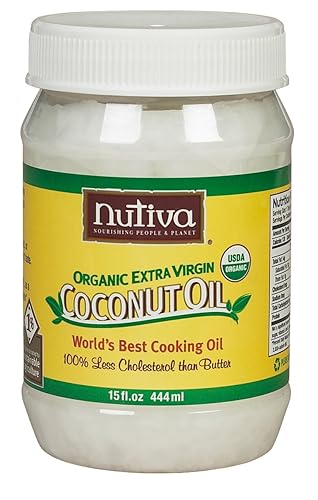
I really like the Nutiva brand (available at Whole Foods and Amazon). I also recently bought a giant 54oz tub from Costco that was about $15. A great value!

Have you tried coconut oil either in cooking or on your skin? What do you think?

Monday, February 27, 2012

Supporting Breastfeeding as a La Leche League Leader

Nursing between family photos at 5-months old.
Ava taking a break at the LLL conference 13-months.
My favorite nursing picture taken at Butler University.

Ava is a healthy, vibrant little girl!

She says "mama hand" when she wants to hold my hand.
It's official! I was accredited as a La Leche League Leader today! It's been a year in the making. Here's a look back at my original post.

I've been a member of La Leche League Broad Ripple, one of the first groups that formed after the original founding members started the mother-to-mother support organization in the 1950's. Our group's three other co-leaders are second generation LLL leaders. Their mothers brought them to meetings as nurslings to meetings and now they're mothers and leaders in the group. My mother-in-law was a LLL leader when my husband and his sisters were growing up. It's been such an honor to get involved and carry on a Berkey tradition. I'm proud that even with working outside the home and recently starting to travel for work, Ava has never had a drop of formula or cows milk in her life. She's turning 2-years old in just a few weeks. The highly bonded relationship that we've established through breastfeeding is so rewarding. It's so special to me that I'd like to help other mothers through their breastfeeding journey!

The best thing about volunteering as a LLL leader is that I bring Ava with me. Since she's so into babies, it works out perfectly! Ava came to all conferences and events with me sitting on my lap playing or sleeping in a carrier while I learned. Ava seems to understand when she sees pregnant mommies that there's a baby growing in her tummy. My hope is that by raising Ava with the LLL philosophy of mothering through breastfeeding and being together as much as possible, that she'll pass on that tradition to her children if she becomes a mother one day.

I'm really passionate about helping mothers achieve their breastfeeding goals, especially working mothers who face some serious obstances. I've talked to many working mothers that felt defeated by the separation from their baby. But working doesn't mean you have to wean. And it doesn't mean that you can't breastfeed part-time either. As part of my new role in the group, I'm going to lead a series meeting downtown during lunchtime to help working breastfeeding mothers. Our first meeting is in a couple weeks! I'll also co-lead the evening meetings a couple times a month. Being a leader means that I'll respond to the group breastfeeding phone hotline, emails, and Facebook private group questions. Since I'm one of several other leaders, we spread duties which helps us provide more services.

My training for becoming a leader was extensive. It started with a morning kickoff meeting at the Indianapolis Museum of Art cafe with three other mothers. I went to educational conferences, read books, wrote responses to writing and exercises. And recently, I've started to take a more leadership role in our group by responding to mother's concerns and technical questions. I'm proud of myself that I accomplished this while balance my family and career responsibilities. I've learned to relax some things to get more sleep. Aaron challenges me on that all the time because there was a time that I was over extending myself. Now, I'm more rested and feeling much more balanced! I'm ready to share and listen!

Saturday, May 14, 2011

Cloth Diaper Plunge

Last month, we took the cloth diapering plunge! We love it! I wanted to do it from the beginning, but I my daycare provider told me that I couldn't. Then after witnessing the mounds of diapers in the last year go in the trash, I realized that even if we did the cloth diapers at home, it would still be better. To be sure, I asked the daycare director to confirm and to my surprise, they allow cloth diapers and she apologized that I was told the wrong information when I started. I wish I had asked her instead of the caregivers from the beginning. That sealed the deal! Aaron and I are always looking for ways that we can recycle, re-use, and reduce our waste so he was on board.

I called my friend, Jill, who sells cloth diapers as part of her natural parenting business. I love her hilarious blog post when her family made the big switch to cloth diapers when their daughter, was the same age as Ava is now. Like Jill, I was a bit hesitant at first handling the poopy diapers, but it turns out that now that I'm a mom I seem to be immune to tackling clean-ups of all kinds related to my daughter. Maybe it's that sweet smile and loving snuggle that makes me forget that I have snot, drool, or throw-up all over my shirt.

Exclusively breastfed baby poop is even easier. You can toss the entire diaper right in the wash because it's water soluable. Now that Ava is eating solid food, I have to do a swish in the toilet for her bowel movements. Aaron's idea is the best. We put the diaper in the water as we flush and the gush of the water is good enough to take care of the clean up.

We got two different organic cotton styles from Bummis to try them and see what we like best before making an investment. Jill told me that I'd like different diapers for different occasions and I agree. We have the covers with the cloth prefolds inside, which are great for home and the all-in-ones are easy for on the go since there is no fiddling. And the diapers are so cute! Lady bugs, flowers, stars...how can you resist?

We still have disposable diapers to use up so we're going to finish them at daycare. At home we use cloth diapers. I take a wet sack to daycare, which they use for her soiled cloth diaper from her first diaper change at daycare. My daycare gave me a list of cloth diapering guidelines. Basically, I have to provide a clean diaper, including the cover for each diaper change. So eventually I'll need to add a lot more covers to current stash of 3. One of the La Leche League moms has lent us a bunch of prefolds and some covers. For now, we're the only cloth diapering family, but I suspect that I'm starting a trend. Another breastfeeding mom at my daycare asked me about it this week.

Cleaning the diapers isn't bad at all! I got an antibacterial cloth diaper pail liner, which I wash with the diapers. They should be washed every 2-3 days so we do the diaper wash 3 days a week. There's little folding involved so it's no big deal! Before you use the diapers for the first time, you need to wash/dry them 3-8 times to help boost the absorbancy. When you're washing soiled diapers, you run a cold rinse cycle and then a hot, extra rinse cycle with soap. On my HE washer, the whitest white cycle is perfect. You can't use commercial laundry detergents because they decrease the absorbancy. I use a couple tablespoons of the Rockin Green and it works like a charm! Remember not to use a fabric softener. For drying cycles, sometimes it takes more than one cycle, but I can add a towel to help bulk up the dryer. My dryer seems to work better with more in it. So far, they've been coming out really clean and even fresh smelling.

Besides the eco-friendly and cost-savings benefits, many of cloth diapering friends believed potty training was smoother because they could feel the wetness in their diaper. The toddler feeling a wet diaper can start to realize what's happening easier.

The one downside to cloth diapering is now Ava's tush is so much bigger and some of the clothes she has are too small. Disposable diapers are trimmer under pants. I have to account for that when we're getting her dressed. The LLL moms warned me that onesies can be too tight for cloth diapers and may cause leaks. They suggested to dress Ava in regular shirts and the baby leg warmers are fun when we're home!

Our next adventure is food composting at home. Aaron is going to create a container system for the yard that we can use for the composting. Since we have a lot of land, it won't be too smelly - we hope!

Cloth diaper resources:
Friday, February 11, 2011

Breastfeeding Mom's Guide to Returning from Maternity Leave

Tonight, I got an email from a friend that's preparing to return to work with her first baby in the next few weeks and she's going to continue breastfeeding. She asked me how to you supply milk and prepare for Day 1 of returning to work from maternity leave. It reminded me that there's lots of logistical details that are often left out of most breastfeeding information about returning to work. Here's a compilation of things I've learned along the way from being a breastfeeding and working mom to my almost 11-month babe. I've admired my mom friends who have managed to breastfeed despite work travel and long hours and have asked them for advice before I started. That's what I love about motherhood is having friends help each other.

While you're still home on maternity leave. Your maternity leave should be the time that you're relaxing and enjoying your baby, while taking care of yourself. Here are some ideas....
  • Make sure your baby will accept a bottle. I would let Aaron give Ava a bottle of expressed milk while I was running an errand. She got used to it, but has always preferred nursing.
  • Great time to practice pumping and squirrel away the extra milk that you might have, but don't go overboard. Store milk in small increments such as 2-3oz so it's easily used by your caregiver.
  • Get familiar with the storage guidelines for fresh and frozen milk (see link in the bottom of this post)
  • Set expectations with your caregiver that you'll be nursing your baby when you arrive. By doing that you can take advantage of reconnection with your baby right away and it's practical because it's less pumping/bottle exposure your baby will have. High bottle exposure can encourage early, unintended weaning.
  • Create a short list of care guidelines for your daycare. I included to feed my baby on-demand (like we nurse) and to feed her until she's done. I've been very sensitive to overfeeding, because we prioritize our nursing time rather than bottle feeds to ensure our relationship.
  • According to La Leche League, a breastfed baby in general takes 1oz of human milk for each hour of separation from the mother and generally takes it in 2-4oz increments. My baby drinks 3oz at a time and in general takes 9oz in 10 hours (even at 11-months). NOTE: Some caregivers may be concerned because formula babies take more in in their bottles at a time. You can remind them that formula is very different from human milk and that your baby is content and growing. Some babies hold out at daycare and wait to get the majority of their milk while at home (evenings/mornings) with mom.
  • Check out my post on caregiver tips for a breastfed baby.
Your Work Day Pumping Schedule: It takes me between 15-20 minutes from set-up to tear-down. I have a 30 minutes time block in the mothers room and we book it in our Outlook Calendar like a conference room. It's advisable to pump every 2-3 hours to maintain your milk supply and avoid plugged ducts.

What to Pack in your Bag:
  • Your Pump with all the parts (flanges/tubes/battery pack if needed)
  • Cooler bag and cool pack
  • 4 Bottles with caps (Pump in bottles 1 and 2, pour in bottle 1 and store, session 2: pump in bottles 2 and 3, pour off and repeat for session 3 with bottles 3 and 4). For high supply moms, you can use larger 8oz bottles or a mix of Pump and Save Bags.
  • Medela Pump and Save Bags - in case you ever forget bottles (they're sterile and you can pump directly in them and store them)
  • Extra flanges - good to have, a friend of mine forgot hers and had to hand express
  • Medela steam bag - in case you had to sterilize. 2 oz of clean water in the bag and about 3 minutes in the microwave.
  • Pumping bra to give you hands-free pumping (see my review post) so you can work while pumping! Brilliant!
  • Permanent marker to write the date on your storage bags.
  • Antibacterial wipes in case you need to sanitize the table you're using, etc.
  • Clean plastic bag to store your used flanges for the next pumping sessions. The flanges arrive clean, but for the next 2 pumping sessions you don't have to wash them. You can store your used flanges up to 6-8 hours in room temperature because human milk is antibacterial or you can store them with your milk in the refrigerator or cooler bag. This saves you a ton of time.
  • Picture of your baby: Aaron had an idea to take a picture of me nursing Ava the night before I went back to work so I could see it when I was apart from her. Many moms find looking at pictures of their baby helps with let down.
Supplying milk for Day 1 and beyond: Since you're going to work, you're going to nurse your baby overnight and before you leave for daycare. It's likely that you'll have extra milk since mornings are typically the time that moms have abundant milk. Breastmilk changes throughout the day so you have more milk in the morning and it's thinner and thirst quenching for the baby who's waking up for the day. As the day progresses, you have thicker milk with more cream and less volume. The evening milk is fatty which helps the baby sleep at night.

It's always a good idea to keep enough frozen milk for 1 day in case you forget your milk one day to work. It will save you time and then you'd never worry that your baby has enough breastmilk at daycare.
  • Morning of Day 1: Nurse your baby before work to get a good feeding and stimulate production when you're apart. I find it works best to nurse her in bed when my alarm goes off at 5:30am and she's still sleeping. Then I nurse her again just before 7am before we're about to leave for daycare. It's an easier way for her to wake up gradually, too! I pump extra milk from both breasts (I have an oversupply), which supplies her first 3-oz bottle for daycare (and then I save the rest for freezing). Many moms find the morning before work nurse the baby off one side and pump the other.
  • Daycare Dropoff: bring any milk you pumped fresh that morning and frozen milk (for Day 1 only).
  • At work: Pump 3 sessions and store this milk for Day 2 and so on. I pump at 9am, 12pm, and 3pm. Remember that you'll likely pump more quantity in the morning session than the afternoon.
  • Daycare Pickup: nurse your baby when you arrive.
  • At home: Take the pumped milk from the day and make up your bottles for the following day and freeze any extra milk. Some moms freeze only on Friday's when they know there is milk that they won't need. When you get into a routine, you'll figure out the best way to do this.
TIP: Friday's milk is for Monday the following week. The fresh milk contains the best antibodies (some is lost during freezing/defrosting). Plus, when you baby comes into contact with a bug, you will make the antibody to fight that bug in real time! That's why I minimize leftover milk and give the baby fresh milk.
  • Alternative or part-time: If you don't work Mon-Fri, you might have to figure out the best way to supply your milk. You might find that freezing will help.
Great resources:

Friday, January 14, 2011

Over 1,900oz of Mother's Milk Donated

This morning, Ava and I went to the Indiana Mother's Milk Bank to drop off our extra milk. I donate extra milk about every month when our freezer fills up, starting back in June. Today, I donated 283 ounces! In total, I've donated over 1,900 oz (almost 15 gallons)!

It's such a gift to share this milk with babies and their families. The Indiana Mother's Milk Bank takes donor milk from health screened moms who agree to store milk safely. They combine the donated milk and pasteurize it, then repackage in bottles to distribute to hospitals and families in the Midwest region. Ava and I spent a day volunteering at the Indiana State Fair last August, staffing the milk bank's "Lactation Station" that offered an air conditioned trailer so moms can nurse their babies out of the sticky heat, recharge with cold water, and then head back out to enjoy the fair.

Most of the milk has been donated to the milk bank and I've donated some to three mom friends and their babies. There are different reasons that moms ask for shared milk, but the best is for temporary reasons otherwise supplementing with milk or formula can reduce the mom's supply because the body is getting the message that the baby needs less milk. In our case, I've shared Ava's milk with a mom of an adopted baby and a friend who works two days a week and has trouble pumping enough for her baby while she's at work. The other mom that I just donated 80 oz to last week ran out of her freezer stash and lost her supply from a bad case of food poisoning. She was really committed to giving her son breastmilk to 1 year and as she's weaning him to cow's milk now that she's out and he's 11 months. But, she found that breastmilk in his last bottle before bed holds him over much longer. I'm not surprised since breastmilk is specifically designed for human babies so it's more absorbed and used in the baby's body.

Why donated milk? Mother's milk is easily digestible to a baby's immature digestive system and provides antibodies to stave off illnesses. Also, breastmilk adds sugars to attract good bacteria to protect the baby's digestive tract. Here's a great summary of the reasons to use donor milk from the Human Milk Banking Association of North America (HMBANA).

To learn more about milk banks and their charge, check out this amazing effort for a documentary film "Perscription Milk" about families who need mothers milk for their premature and sick infants. There are only about 11 non-profit milk banks in the United States. They provide mother's milk to NICUs and directly to families in need. If you have any extra milk to spare, please join me in the awareness and pleasure of helping these families.

Sunday, January 9, 2011

Yogurt Face

When Ava turned 6-months, we started slowly introducing her to solid foods. Aaron and I decided to make her own baby food instead of commercial baby food because we have a weekly organic produce bin and wanted to have her eat from the family table from the start. I've been making her purees and freezing them to have on-hand, but I haven't done too much. We have been following her lead on food. If she doesn't want to eat solids, not a big deal. Ava's daycare has had the most success with feeding Ava her solids. At around 8-months, she stopped gagging with solids so I started to pack her a small container for the caregivers to offer her at lunch when the other babies are eating. We've tried all sort of things from quinoa and banana to kiwi last week.

At Ava's 9-month well-baby doctor's visit, her pediatrician told me that many 9-month olds are eating table food so don't be shy about offering her what she's reaching for or what's on my plate. She gave me the confidence to offer Ava foods that I'm eating and not necessarily making sure it's pureed. I'm staying away from peanuts, honey, shellfish, and egg whites for now.

I've heard a lot about Baby Led Weaning from natural moms that I follow on Twitter and in the book that I read Real Food for Mother and Baby by Nina Planck. The concept of Baby Led Weaning is to follow your baby's cues and let them choose the foods that they will eat by parents offering them variety. Babies in this method are offered foods and encouraged to feed themselves. It has influenced the way that I think about Ava eating solids. If she doesn't want to eat, no big deal. I make very small quantities to offer her. Lots of days, I still thin out the food with expressed breastmilk. I know Ava is getting all she needs from mother's milk and food at this stage is for experimentation, rather than nutrition. There's no pressure even to give her iron-fortified foods because at her 9-month appointment, her iron levels were through the roof from nursing exclusively.

I've heard that babies are ready for solids at very different ages and that breastfed babies often delay solids. The latter is the case for us. At Thanksgiving, Aaron's mother gave Ava a tiny taste of mashed potatoes which made her gag and then throw up! For a few weeks in December, she refused solids every day. Ava is so satisfied by nursing and not a baby that puts things in her mouth. On Monday, Ava went back to daycare after we had 10 days at home together. She ate her homemade applesauce after going weeks without solids.

This week, Ava devoured mashed banana with plain organic yogurt, sweetened with a bit of maple syrup. The daycare caregiver told me that she was making sounds and opening her mouth really big, then when she ate it all, she was looking for more! Yogurt is so nutritious. I have been giving her sips of my morning smoothie, which she likes a lot. The smoothie that I made a lot is a mix of banana, pineapple, plain yogurt, and orange juice.

Ava is now much more interested in my plate. She was grabbing for my pizza on Friday night and loved the tomato sauce. Then we went to lunch with friends yesterday and I ordered an omelet with potatoes. I was holding Ava on my lap and she opened her mouth really wide for a bit of the soft egg. I gave her some potato and she bit off a tiny piece. The texture threw her off and she gagged herself and threw up a bit. It's all learning though.

This morning (check out the picture of my "Yogurt Face" babe) we experimented again. I made a berry smoothie with blueberries, strawberries, vanilla yogurt, and pomegranate juice. She didn't want to sip the smoothie alone. I scraped what was left of my favorite organic Brown Cow vanilla yogurt container and put a dab of my berry smoothie. She loved it! She opened her mouth really big and licked her lips! She made that puckered lips face that you do when you have something tart.

I just love my "Yogurt Face" girl!

If you want more information on Baby Led Weaning, I loved this post from a Twitter mom blogger, Kelly Naturally.

Wednesday, November 24, 2010

Solid Food at 8-Months

Ava just turned 8-months old and just last week, she turned the corner and now enjoying solid food. I've mentioned before that I'm making all of Ava's baby food because I already have the fresh produce on-hand and want Ava to ease into the family table. Many of my friends that have done this told me that their children were not picky eaters and they think homemade food helped. Buying store-bought seems easy on the surface, but I don't see the point of buying her something different when I can just as easily make her fresh, homemade food while I'm making our family meals.

Ava's favorites so far:
  • Pear (cooked with a tiny dash of cinnamon), I ran it through the food mill and thinned it with a bit of the cooking water. Daycare said she squealed and opened her mouth really wide. She ate much more than we expected!
  • Banana (mashed and thinned out with breastmilk). Daycare told me that they warmed it up slightly and she ate the entire bowl yesterday! What a big eater. She loved the bananas. It's so convenient and nutritious.
  • Grapes - Aaron bites off half of the grape when we're eating dinner and squeezes the juice in Ava's mouth and she LOVES it! Aaron holds the grape for her and she sometimes bites a bit of pulp, but mostly takes the juice. She moves her arms around and squeals. It's very cute!
I made yellow squash with a tiny bit of garlic and she refused it after two attempts. But today, I put a bit of the pureed yellow squash with a chuck of ripe, mashed avocado and thinned it out with a bit of breastmilk. She ate a couple bites before I left her at daycare today. I don't think it was her favorite, but the combo seemed to work.

Great Resources for Natural Baby Food:
  • Feeding the Whole Family by Cynthia Lair - this book gives recipes for the whole family cooking with whole foods and how to cook for small babies. Cynthia Lair is a contributor to Mother Magazine. I've made several recipes from this book already, but the concepts in the book really have given me great information. A mom who read my blog post recommended to me and I'm glad I bought it.
  • First Meals by Annabell Karmel - takes you from food introduction to cooking for small children. It has age-appropriate chapters and the pictures are awesome. She shows you how to prepare food for picky eaters by making it look interesting. I like her hints and info for mixing foods for baby.
I haven't been worried at all that Ava didn't eat solid foods until last week because she's exclusively breastfed and getting all she need. She had been very satisfied by nursing and not interested. A wise mom/grandma/former 15-yr LLL leader told me that when Ava is interested in solids, she will make it very obvious! So true! In fact, she told her her son didn't eat solids until 8-months, too.

Right now, I'm bringing a small bowl to daycare with food for Ava to have a lunch with the other babies. She's eating with everyone at the same time, which probably gets her into the motions. And it's nice because right now, all she needs through the introduction phase is experimentation and my daycare loves trying new foods with her. It's less hassle for me at home and it helps us focus on just nursing. I've heard to do that from a breastfeeding mom's website, but I can't remember where.

I decided against starting Ava on rice cereal. I gave it to her once and it gave her horrible gas for 2-days. I find it interesting with all these other foods we've given her, there are no side effects like that bloody rice cereal! I did notice that after eating the banana and pears, her poop has been a bit heavier, but not bad or foul smelling. We've discussed rice cereal in my La Leche League meetings and I totally agree that it is meant to complement formula fed babies and not necessary like many people say it is. Check out this page on Kellymom about food introduction for more info...

Sunday, November 21, 2010

14 hours

My goal is to get Ava to sleep 14 hours per day. In fact, this is what she's doing right now as I write this blog post, getting her afternoon nap. I was concerned about her sleep when we Ava moved out of the newborn nursery into the older baby nursery at 6-months. Her naps at daycare were often disrupted by a loud cry or a group of babies playing. My daycare has been great about working with her to give her a little rocking or stroking her head to coax her back to sleep if needed. They follow a schedule and turn out the lights and to help the babies sleepy. It's taken some weeks, but Ava has been doing great. I read a really good book early on called the No Cry Sleep Solution (check out this link for resources at tools for sleep), which points out that day sleep affects night sleep. So the if the baby isn't resting throughout the day, then it will make them over-tired and it will be difficult to sleep at night. The author talks about creating a predictable nightly routine that the baby or toddler can experience very night. This really works for us. I loved the author's approach because the cry-it-out method is so counter-intuitive for me as a mother.

Sleep is ultra important for a baby's brain development and to help keep up with their rapid growth. At 8-months old, my goal is to get her to sleep a total of 14 hours per day. Ava's night sleep is around 10 1/2 hours per night and day sleep is about 3 1/2. With that said, it's very unrealistic to expect a small baby to sleep 10 1/2 hours or more at a stretch without waking up to nurse or feed. This is especially the case for breastfed babies since breastmilk is easily digestible and they need to nurse often.

In Ava's case, she goes to sleep for the night between 8:30 and 9:00pm and wakes up around 6:30am or 7am (maybe 8am, too!). But she wakes up to nurse around 3 - 5am. Sometimes we're nursing twice in a stretch, but it's fine with us because she sleeps in her cosleeper bed next to me. I pull her into bed and she starts nursing and we both fall back asleep easily. Cosleeping has amazing advantages because it helps us BOTH get more sleep. Since she's nursing, it extends her sleep longer and it's restful for all of us for her to nurse in bed. As a full-time working mom, getting better sleep for all of us is my top concern. The bonus part is that night nursing also helps keep a healthy milk supply because moms produce more volume of milk overnight due to the hormone levels. Moms and babies cosleeping together does amazing things, including keeping the baby secure and comforted to sleep longer. Mother nature is fascinating!

As a cosleeping baby you might think she won't sleep by herself. On the contrary, Ava is flexible to sleep in a crib at daycare. Now that she's gotten used to the nap schedule and the noises in the room with the other 11 babies, Ava sleeps about 2 to 2 1/2 hours there and another nap at home before bed. To help keep her comfortable, I bring a thin receiving blanket from home with my scent on it so she can lay on that and smell that instead of the daycare crib sheet, which they change daily in her crib.

Our nighttime routine...Ava is a cluster feeding baby. When I arrive at daycare, we nurse there. And in the evening, she nurses a lot to catch up from the separation. At home before bed, she nurses a lot at night. We start winding down about 8pm. I take a shower and she's with me in the bathroom chilling out. Then I put her last diaper for the night and we read a book together. She says goodnight to Daddy and they have laughs and kisses. Then she nurses for the last time and falls asleep. Yep, she falls asleep nursing. I know in the mainstream parenting information, that's "bad," but at least for my baby, she sleeps so well at night usually 6-7 hours before waking to nurse, then going right back to sleep. My pediatrician is flexible and supportive, which I love. Lots of pediatricians tell parents, to have their baby fall asleep on their own by putting them to bed drowsy. Maybe I'm lucky, but it's working for us.

When she's at daycare for 5 hours, she typically takes one 3-oz bottle or a full 10-hour day she'll take three 3-oz bottles for a total of 9-oz. She prefers to nurse when we're together. At my nursing mothers group, La Leche League, we've talked about the general rule of thumb is that a baby needs about 1oz per hour that the mom and baby are separated of expressed milk. Also, according to the LLL Womanly Art of Breastfeeding, most breastfed babies take 2-4oz of human milk in a bottle when separated from their mom. At daycare, Ava's caregivers were a little concerned because compared to the other babies she took so little in each bottle. But Ava is the only breastfed baby in the room so I shared this info and they felt better.

I loved this post by my friend, Jill, about cosleeping being seen by the mainstream as a "Bad Habit." Well said!

Well, gotta run, Ava is stirring and is starting to wake up from her 2 hour nap! I hope you all sleep well, too!

Tuesday, September 28, 2010

Laying Off the Solid Foods for Awhile

Baby Ava has had first tastes of egg yolk and mashed avocado and banana in the last 10 days. She was doing well eating with a spoon with the new textures. She even pulled at the little bowl with the food and opened her mouth for more. She especially loved the banana that I mashed and mixed with breastmilk (see the pictures). She didn't like the avocado. She spit it out and it looked like guacamole coming out of her mouth. With the 4th bite, she gagged and it was so hard that she threw it up and the milk from her last nursing session.

But then on Saturday, she developed small spots all over her body. They seemed to go away, then last night when I picked her up from daycare, she had much bigger red spots all over her arms, legs, chest and even her cheeks. They seemed to move around even in the short time that I picked her up and nursed her at daycare. She didn't have a high temperature or seemed bothered by the spots. I didn't noticed that she was itching them either.

But I decided to take her to the after-hours medical care. The doctor thought it was an allergic reaction because it was changing and moving. She said her ears were clear. I didn't expect her to have an ear infection since breastfed babies rarely get ear infections for a variety of reasons (the harder sucking from the breast, antibacterial properties and the antibodies in the breastmilk itself). The doctor said to ride this out, unless it worsens and she suggested to lay off the solid foods for some time. I'm thinking I'll wait another 3-4 weeks. She's gaining weight, growing well, and perfectly satisfied by breastfeeding in general. Some babies seem really hungry.

My baby likes to graze. In fact, I have this really cool iPhone App called Baby Geek that I'm using to see her sleep and feeding schedule and it showed that we nursed for 4 hours EACH day this weekend. Woh! It kind of scares me to know now how much time we're devoting to it.

I felt a peace of mind to know that she's fine. I don't plan to give her egg again until after she's a year old just in case that is the cause of the allergy. We don't think the allergy was due to laundry detergent since at daycare and at home we're using the same products as before.

Sunday, September 19, 2010

Ava's First Solid Feeding

Today we took the plunge into solid foods! Ava is 6 months + 1 week old and she's been grabbing for our food at meals for the past few weeks. The signs that I've been waiting to introduce solids are: turning 6-months old, sitting up independently, and grabbing for food. Ava hasn't been extra hungry or unsatisfied by exclusive breastfeeding so there really hasn't been any significant push. At our 6-month check up on Friday, the pediatrician said Ava is on track developmentally and her growth is so great, which made me feel very empowered that she's getting all her calories from me. But now it's time to introduce solids so she can learn to eat with us at the family table over time. I've already started a freezer stash of baby food: apple sauce and sweet potatoes.

I cooked an egg yolk for her first exploration of eating with a spoon. Egg yolks are high in iron and nutrients for the brain. You might wonder why I chose egg, since they are potential allergens. It turns out that egg white is the common allergen and not the yolk. I ran the cooked yolk through the food milk and took small amount for today and saved the rest for future feedings. I added a bit of breastmilk to give her a familiar taste and easy consistency. Ava opened her mouth for more! I gave her about 5-6 spoonfuls before she got antsy to nurse. I've heard not to feed your baby solids before you nurse or give a bottle, but after just teeny little bites, I knew it would be fine. In fact she nursed for almost an hour! Babies like to comfort nurse when they are going through new development phases. We're going through a lot with learning to sit up, breaking teeth, and rolling.

Did she like it? Yes! She opened her mouth for more. In fact, after Ava nursed, I mistakenly put her on my chest to play and she threw up over BOTH of us and there were pieces of egg yolk in her stomach that came up. So she swallowed it. Gross.

The first foods don't have to be rice cereal! Rice cereal is the most common first food for US babies, but I believe babies should eat tastes from the family table. The attraction to rice cereal is iron fortified and it's bland for baby to learn to eat. It's unlikely the baby is processing all that iron from the cereal. Even though breastmilk is low in iron, baby have iron stores from pregnancy that last to about mid-year. Combine that with the highly absorbable quality of breastmilk, I've learned from lactation consultants that babies use the iron as they digest breastmilk.

I decided to make my own food for Ava instead of buying commercial foods. In my La Leche League meeting, we talked about when you start babies on solids later, they are more equipped to feed themselves, which actually helps prevent choking because they are controlling it. And food doesn't have to be completely pureed if it's soft. So I figure I'll do as much as I can from the family table over time she'll literally eat the same meal. It makes total sense to me because she likes to grab food from our plate. We're not planning on feeding her chicken nuggets while we eat meatloaf, after all.

Resources for Baby's First Foods:

Saturday, August 7, 2010

Homemade Apple Sauce for Baby

You might have guessed that since I'm very focused on nutrition and good health, that I'm going to make Ava's first foods at home. It's a tradition in my family. My mom made all of my food when I was a baby so I'm excited to keep the tradition going. I actually hated Gerber food that I had on occasion because I preferred real food that she made me. She used to freeze the purees (including meats) in ice trays and then pop them out and freeze them in a separate container for easier storage. I put the baby food trays on my baby registry and I was looking forward to trying them out. Thank you, James, Kelly and Ethan!

I got some small Ginger Gold apples in my produce box from Farm Fresh Delivery, and decided to cook them into applesauce. Our approach for Ava's first foods is to give her fresh real food, from the family table and let her experiment instead of rice cereal and packaged baby foods. I've been doing lots of research at my Le Leche League meetings (with other breastfeeding moms), from my favorite Lactation Consultant resource site Kellymom.com, reading Nina Planck's Real Food for Mother and Baby, and also talked to Ava's pediatrician to confirm my action plan. I learned that babies lack the enzyme to digest starches until age 1 or 2. They get some of that enzyme from breastmilk and even found naturally in banana. Babies are great at digesting fat and proteins so naturally, I'll use butter and olive oil in her first foods.

I'm planning on starting her sweet potatoes, avocado with olive oil and sea salt, and egg yolk with sea salt mixed with a little of mom's milk to ease the transition. Breastmilk is sweet, so there's no need to skip starting on fruits versus veggies like the conventional wisdom (probably more for formula babies). Applesauce is the perfect sweet and fiber-filled first food. Ava will be 5-months old next week so I thought it would be good to have it on-hand when I'm ready to start her after 6-months old. Until then, it's all momma's milk, of which she's thriving and literally more than doubled her birth weight! As of tonight she was 17 lbs on the bathroom scale.

This afternoon, I put Ava in her Bumbo chair with her toys around her (see my picture) and she played happily while I peeled, cored, and cut 3 green apples for the applesauce. The apples simmered on low heat after coming to a boil with filtered water. I added a dash of ground cinnamon and a bit of butter toward the end. They cooked on the stovetop for about an hour, stirring every so often and then I let it cool. It turned to applesauce, the apples breaking out without effort. I loaded up the ice cube trays and stored them in the freezer while Ava was hanging out in the Baby Bjorn after our walk. I told her that she'll get a taste when she's a little older and can sit on her own.


You don't have to be a baby to enjoy this applesauce! You could sweeten it with honey or maple syrup, but I thought the Ginger Golds were sweet and tart, delicious on their own. I wonder if Ava will like apples as much as her mom! I'll let you know.

Resources: Here's a great link on Kellymom.com about First Foods where she discusses delaying solid introduction until about 6-months and the best foods to start.

Do you have any experiences to share about making your baby's first foods?

Tuesday, July 27, 2010

Caregiver Tips from a Working and Breastfeeding Mom

I've been back to work for 10 weeks and I've learned some things along the way. If you are a breastfeeding mom going back to work, you've probably heard all the tips about how to continue breastfeeding by pumping at work. Unfortunately, lots of moms feel they have to wean their babies when they go back to work because they may feel like it's overwhelming to pump while at work. Most of the advice for working and pumping moms is around literally working and pumping while at work and not about how to educate your caregivers who watch your baby while you're at work. Ava is been exclusively breastfeed since she was born and at 4 1/2 months, many of her peers nationally are not (only 33% of babies in the US are exclusively breastfed by age 3-months according to the CDC). This means that most daycares have limited knowledge of caring for a breastfed baby. I have some tips that I hope will help you as you're navigating through this with your baby. Feel free to share yours!

Tips for Educating Your Baby's Caregivers:
  • Handling breast milk: Warm breastmilk in warm water and gently swirl the milk to mix the layers of cream. It's important to gently swirl, NOT SHAKE the milk. Daycare caregivers are used to formula bottle preparation, which they shake to mix. I found some air bubbles in Ava's bottles and realized they didn't know not to shake the milk. There are living cells in breastmilk so the milk should be handled gently. My caregivers do a really good job about taking note of Ava's care needs and they have it printed on the board so anyone in the room that's filling in will see my care notes.
  • Breastfeed your baby when you arrive at daycare or during lunch: I read this tip in the book Working Without Weaning (which I highly recommend for the practical tips), and she typically wants to nurse when I arrive. Breastfeeding when you arrive helps you reconnect with your baby after the separation and allows you to talk to your caregivers and ask them how the baby was that day. And the bonus is that you can add another breastfeeding to help you stay in sync with your baby's demand and pump less for daycare. My daycare is 30 minutes away from work so I couldn't swing the lunch feeding, but many working moms can do this and it works really well for mom and baby.
  • Preferring to breastfeed and eating just enough at daycare: There are days when Ava is at daycare for 10 hours and only drink 2 bottles and a total of 6-7 oz. She holds out until I arrive and we breastfeed many days. Other days, she'll have about 11oz of milk from 4-5 bottles. When she's holding out at daycare, I've asked the caregivers to hold her while feeding (sometimes, they feed babies in the swing!) and I've brought in my shirt so she can have my smell nearby. That seems to work.
  • Baby's "on-demand" feeding schedule: Ava's caregivers ask me a lot about how often she likes to eat. And truthfully, you can't compare bottle feeding to nursing because babies nurse for comfort in addition to thirst and hunger. I have no way of knowing how much she eats (in ounces) because without a scale, there's no way of measuring. And breastfeeding mothers find that feeding on-demand is the best for baby. I know her hunger cues and that how I know she's ready. It's like a 6th sense for breastfeeding moms. They just know and our bodies help us out because we feel full. I just ask the caregivers to feed her when she's sucking on her hands. They write down her feeding schedule and they're doing a great job of feeding on-demand. Ava eats some bottles at 3oz and another times only 1 oz. Even from a bottle, Ava does a good job at regulating her intake. Every day is different so it's unrealistic to day, feed her at 2pm, 4pm, etc.
  • Keep extra frozen milk at daycare: The first week that I brought Ava to daycare a mom walked in and said "oh no, I forgot the baby's milk today. You'll have to use formula." I decided it would be a good idea to bring frozen bags of milk for the daycare freezer in case they run short on fresh milk for any reason. They've only used 2 bags in their stash, but it's a peace of mind to know that they always have it on-hand. Defrosted frozen milk has to be used within 24-hrs so it's good to keep smaller increments that you know your baby will eat.
My working and pumping schedule: I'm a very organized and efficient person so I integrate my pumping schedule with my work calendar and it's been working very well. I've been able to keep my milk supply healthy and strong in the past 10 weeks. I pump at work at 9am, 12pm, and 3pm, and often times bring my laptop and read work articles, do conference calls, or respond to emails on my iPhone. My coworkers are really supportive when we go to offsite meetings and help me by providing private places for me to pump.

Resources for Breastfeeding and Working Moms:

Tuesday, June 29, 2010

Ava's First Cold is a Good Reminder on Treating Babies with Congestion

Ava and I caught a cold last week, probably from a baby in her daycare. The cold has brought on congestion, which then drains in the back of her throat, and then when she nurses she chokes, and then boom...throws up...all over mommy! That's been going on since last Thursday. Since I've had asthma my whole life, I'm really careful about drainage because I worry that it will go down into her lungs making it hard for her to breathe. She's coughing up mucus now. We're at the same stage of this cold. If you didn't know she was sick, you wouldn't know it. She's more sleeping more than normal, but she's still really smiley and happy when she's awake. Her daycare caregivers are amazed by how happy she is when she's not feeling well.

Yesterday, I started to worry because her cough was getting so bad. I called the nurse on the way home from work and she called me back when I arrived at daycare. She asked to have Ava up by the microphone of the phone so she could hear her breathing to see if she was congested and/or wheezing. She was very congested. Aaron says it's like she's breathing through her "Snorkle" (remember that cartoon?). The nurse told me that she needs to be seen by her doctor in the next 24 hrs. Then we got off the phone and I felt rattling in her chest. I put her in her carseat to go home and she started coughing again. No sooner than I unstrapped her that she threw up. Not to get graphic, but her teacher told me that she could see that Ava was throwing up mucus and not just milk. So, off the Dr. we went! I was thankful that our normal pediatrician's office has extended hours (with different Doctors) so we just took her to the same place.

I learned that she's just over 15 lbs! By 15 weeks old, Ava has almost doubled her body weight. Yeah! Go momma and baby! We work hard for that growth and nutrition.

She wailed when they poked her and prodded her at the exam, but she calmed down eventually. Usually Ava is fine at the doctor, but the little miss just wasn't feeling well and she let them know. I held her as they examined her. He said the reason she's throwing up from breastfeeding rather than at daycare with her bottle is the positioning since they feed her more upright with a bottle. The doctor was happy that she's exclusively breastfed because she's getting lots of immunities in the milk.

The dog is acting weird! Bena knows Ava isn't feeling well. She's freaking out! This picture is her sitting in the closet because she's worried or scared about Ava! The baby had a coughing fit and she freaked out and darted out of the room. I took this picture of Ava sleeping in her bouncy chair and Bena was standing there by her. Bena will either stick right by Ava like glue or run out of the room. It's really funny.

Our new nightime routine...Instead of her usual bath on Mondays, we did a new routine last night. I closed the doors to the bathroom and put Ava in her bouncy seat while I took a steamy shower first and then I got her and held her in the shower with me. I sang to her while we stood in the steam and touched her feet and hands in the stream of the shower. She loved it! Then I gave her a sponge bath to clean her off, suctioned her nose, and gave her a lotion massage. I put her PJs on her and then she nursed a long time until she fell asleep. It was so relaxing for both of us and it's following doctor's orders! :)

Here's our treatment plan that I thought was a good reminder of how to treat baby's congestion since you can't give them a decongestant like an adult! :)
  • Step 1 - Warm steam, especially before bed: take the baby with you in the bathroom or shower and use a humidifier by their bed. The AC is on all the time because it's been so hot, but it's making the air dryer, which isn't good for congestion. I remember sleeping with a humidifier in my room for my asthma when I was a kid.
  • Step 2 - Suction often: use the suction really high up in the nose to pull out the snot. The doctor said that since they are rubber, you go put in their nose deeply. Apparently, babies at this age don't have sinuses so it's just training directly from her nose to her throat. We bought a smaller suction than came in our baby grooming kit, which has worked really well since it's easy to maneuver in her tiny nose.
  • Step 3 - Incline for sleeping: sleeping or sitting on up to a 30% incline is great to help keep her from choking. Last night, we put Ava to sleep in her bouncy chair after she woke up in her bed coughing. Aaron made a little pillow by folding up a blanket and putting it under her head and shoulders. Another nurse told me that you can put a towel or blanket under their mattress so you don't have anything in their bed, but it will still be inclined.
  • Step 4 - Chest Rub (optional): The doctor suggested to use chest rub to unlock the congestion. We haven't tried that, but we have a small container of non-medicated baby chest rub. I used it on my chest last night and it's very soothing and not as strong as Vick's.
My doula, Jacqui, told me she spent several nights with her daughter in the bathroom to get her in the steam and she entertained her other child by playing with him in the room. It reminded me that we're making memories together even when Ava is sick and as parents we learn the tricks that soothe our sweet babies and young children.

Thursday, May 20, 2010

Vitamin D Drops for My Breastfed Baby: Decision Made!

If you saw my post last week, you know that I've been struggling with my decision on how and if to supplement Ava with Vitamin D. The American Academy of Pediatrics (AAP) have started recommending Vitamin D drops for breastfed babies because the primary way people get Vitamin D is through sun exposure (from the skins reaction to the sun). This is true for adults and children. Since babies have tender skin and shouldn't be in the sun, the AAP recommends supplementing. Vitamin D is important for bone strength and helps in calcium absorptions, which is why whole milk is fortified with Vitamin D.

Our pediatrician recommended TriViSol or VitASol, which I found out are made by Enfamil. I bought TriViSol in a hurry without reading the label. It turns out there's artificial flavors and other vitamins like A and C, that my baby doesn't need. In fact, I've read that breastfed babies are able to absorb vitamins and nutrients present in human milk because it's highly digestible.

Most supplements are just passed through the baby and not absorbed through the body. This is true for iron for example. Human milk is lower in iron than formula, but the baby has stores from pregnancy gestation and absorbs iron in the human milk because it's again, easily digestible. It's not until the baby is about 6-months that you can add iron to the baby's diet through solid foods. Check out this great resource page from Kellymom.com.

I was lucky that I ran into the lactation consultant that works at the hospital near my house and led my breastfeeding group. She recommended Carlson because it's just Vitamin D. She and I discussed Le Leche League's position on Vitamin D supplementation and she said that Ava is not likely to get Rickets, from Vitamin D deficiency, because of her complexion and access to sunshine.

My decision...
The point was that Ava's doctor wanted her to have Vitamin D, which I want to supplement on days that we're not in the sun. On days that we're outside taking a walk or she's exposed for 10 minutes, then I won't supplement. I decided AGAINST the TriViSol because of all the additives. I bought Carlson Baby D-Drops from my local hospital's pharmacy, but I know they also sell it at Whole Foods. I LOVED the directions. You turn the small bottle upside down and it automatically dispenses the drop of 400 IU of PURE Vitamin D. They recommend you drop it right on the mom's nipple (or pacifier) and start the feeding. The baby should suck for 30 seconds.

Carlson understands breastfeeding moms because we tend to be more holistic minded. Thank you, Carlson. Thanks to the the moms that have recommended it to me!